The ability to lead with emotional intelligence is no longer optional, it’s essential. As organizations navigate complexity, hybrid work, and shifting employee expectations, emotionally intelligent leadership has become a defining factor in building trust, fostering resilience, and inspiring purpose.
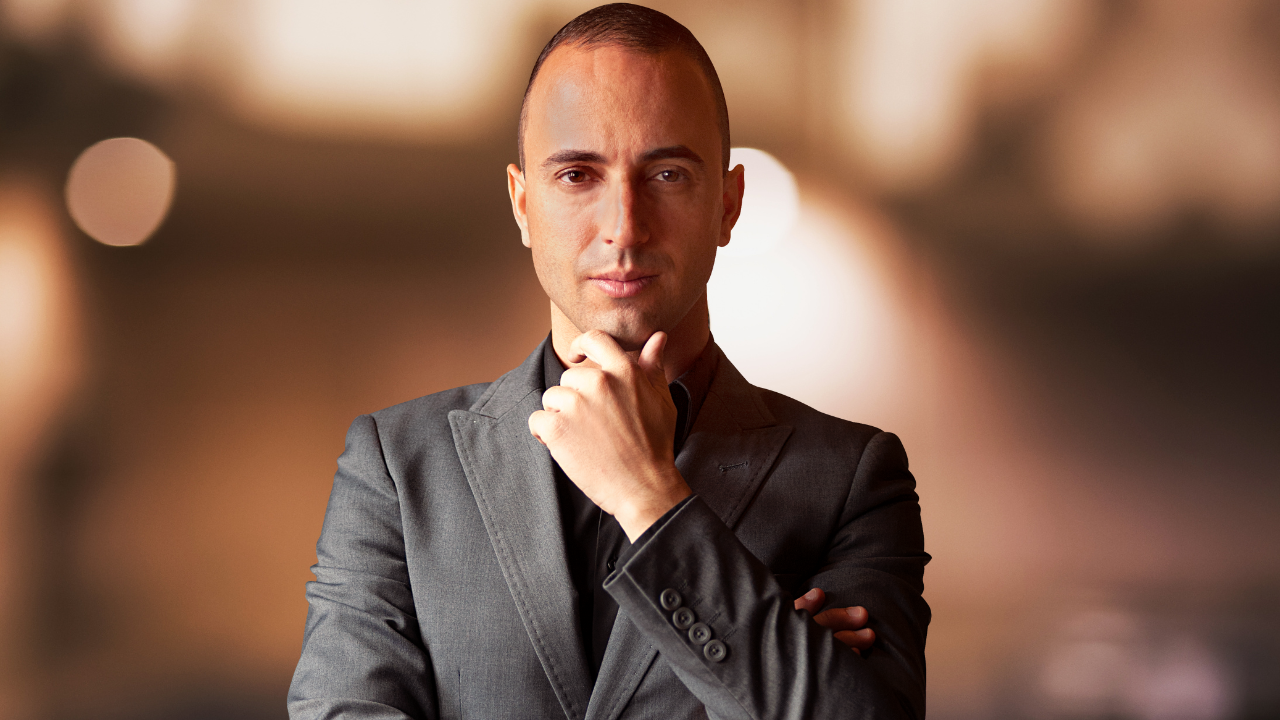
In September’s episode of ‘People & Purpose’, Tarja Takko sat down with keynote speaker and emotional intelligence expert Ricardo Cabete, whose journey from engineering and banking to rock music and global stages shows the transformative power of embracing emotions as a strength in leadership. His stories and insights illuminate why Emotional Intelligence (EI) is the new superpower for leaders who want to connect authentically and unlock potential in their teams.
From Command to Connection
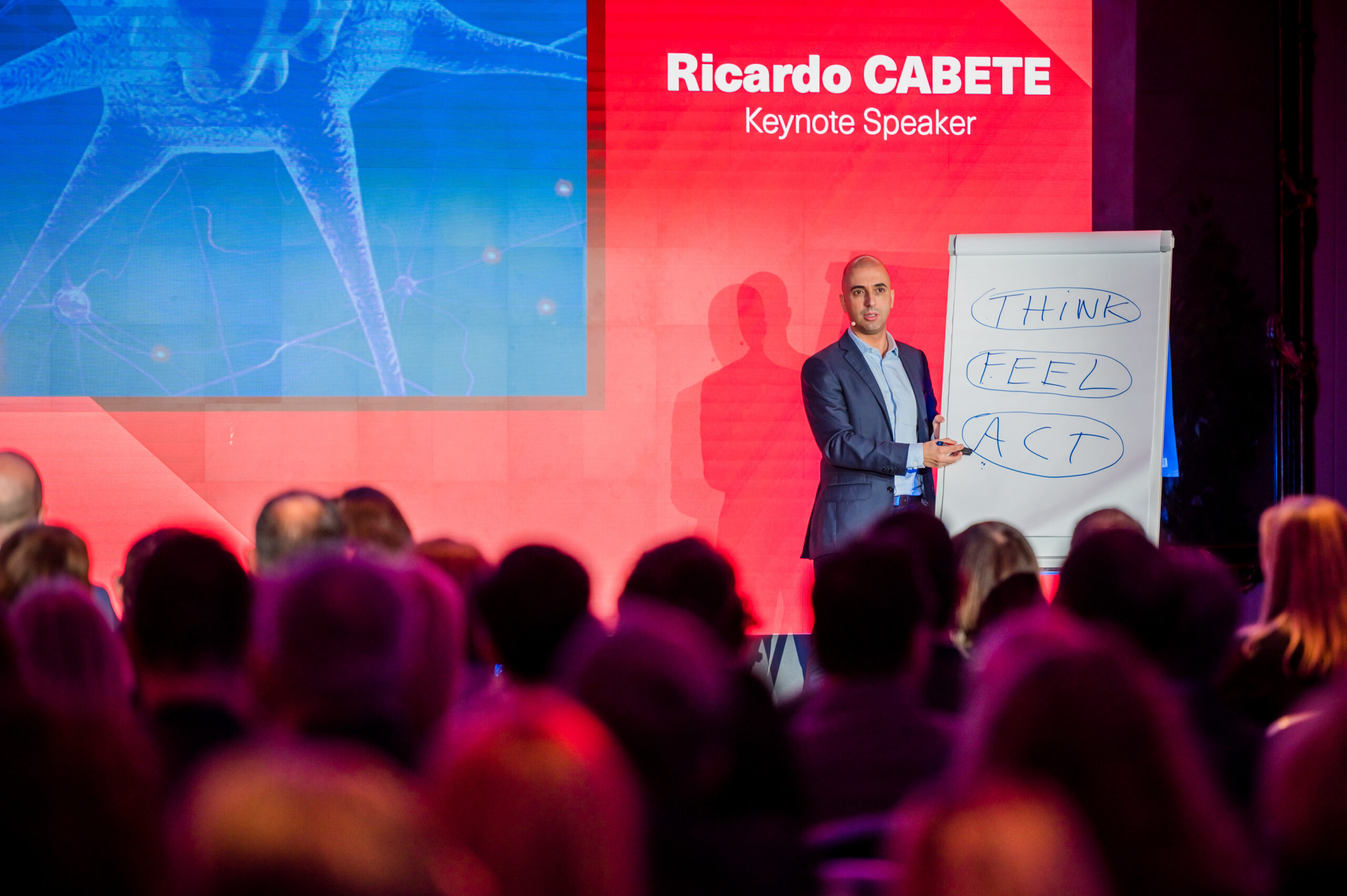
Traditional command-and-control leadership is fading fast. Instead, a ‘trust and inspire’ model is emerging rooted in connection, empathy, and understanding. As Ricardo shared, effective leadership today is not about giving orders but about meeting the fundamental human needs of those you lead.
Ricardo created the GAAPP Model, which he uses in keynote speeches and trainings as the foundation for employee engagement. It highlights the five most important human needs that must be met at work:
-
- Growth
-
- Autonomy
-
- Appreciation
-
- Psychological safety
-
- Purpose
Leaders who recognize and respond to these needs can move beyond compliance-driven cultures and build deeply engaged teams.
Lessons in Resilience and Self-Leadership
Ricardo’s personal journey demonstrates that emotional intelligence is built through practice and courage. A defining story involved facing his fear of public speaking after being unexpectedly pushed onstage at a karaoke bar. That moment shifted his perspective from avoiding discomfort to embracing challenges.
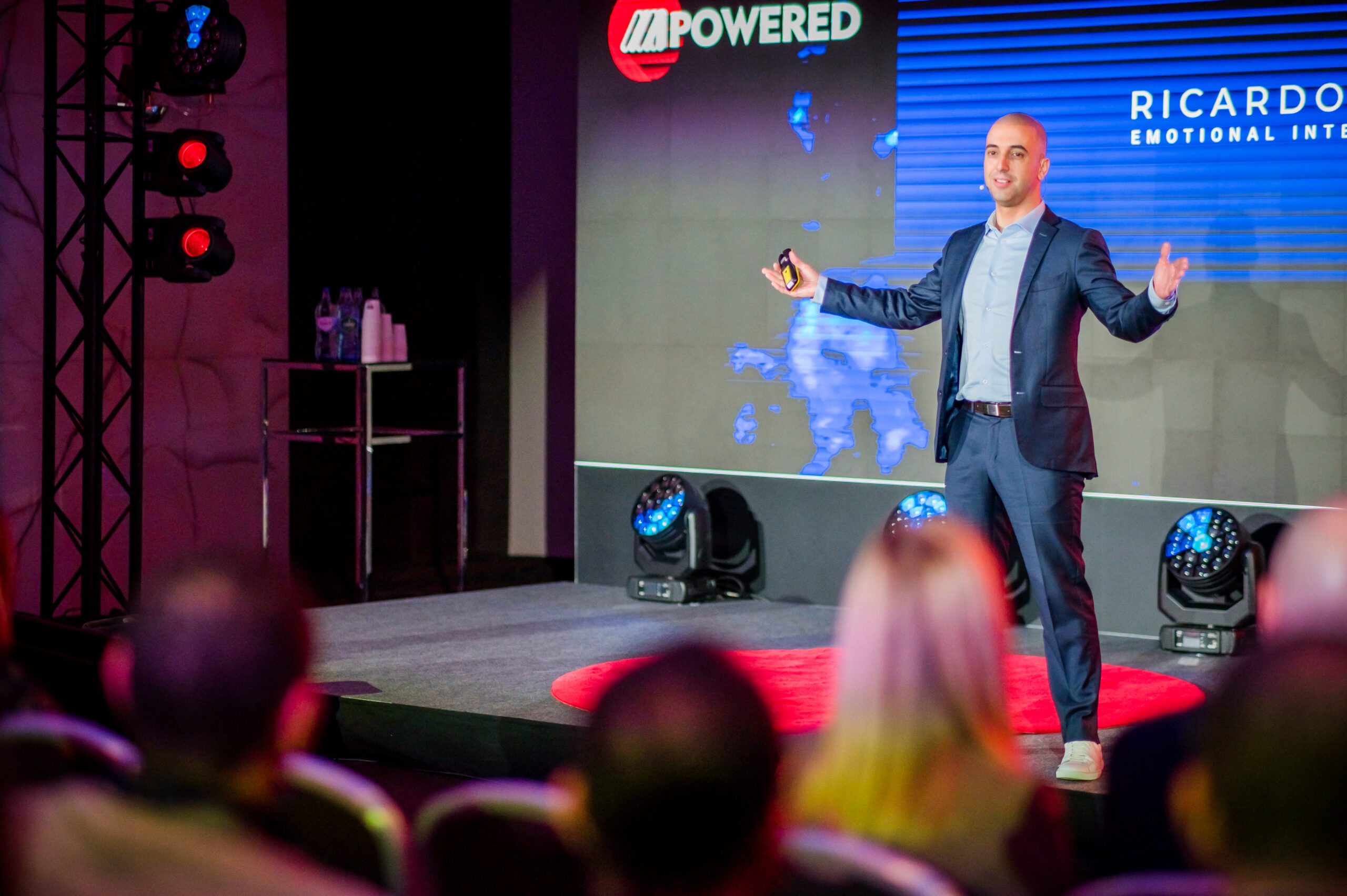
Later, a failed audition for Portuguese Idol reinforced the lesson: setbacks are not verdicts but invitations to grow. By reframing his automatic negative thoughts, Ricardo built resilience that eventually led him to perform at international festivals and win the European Championship of Public Speaking.
The takeaway? Emotional intelligence begins with self-awareness and the willingness to lead yourself first.
Boost Productivity: The Power of Emotional Intelligence in Leadership
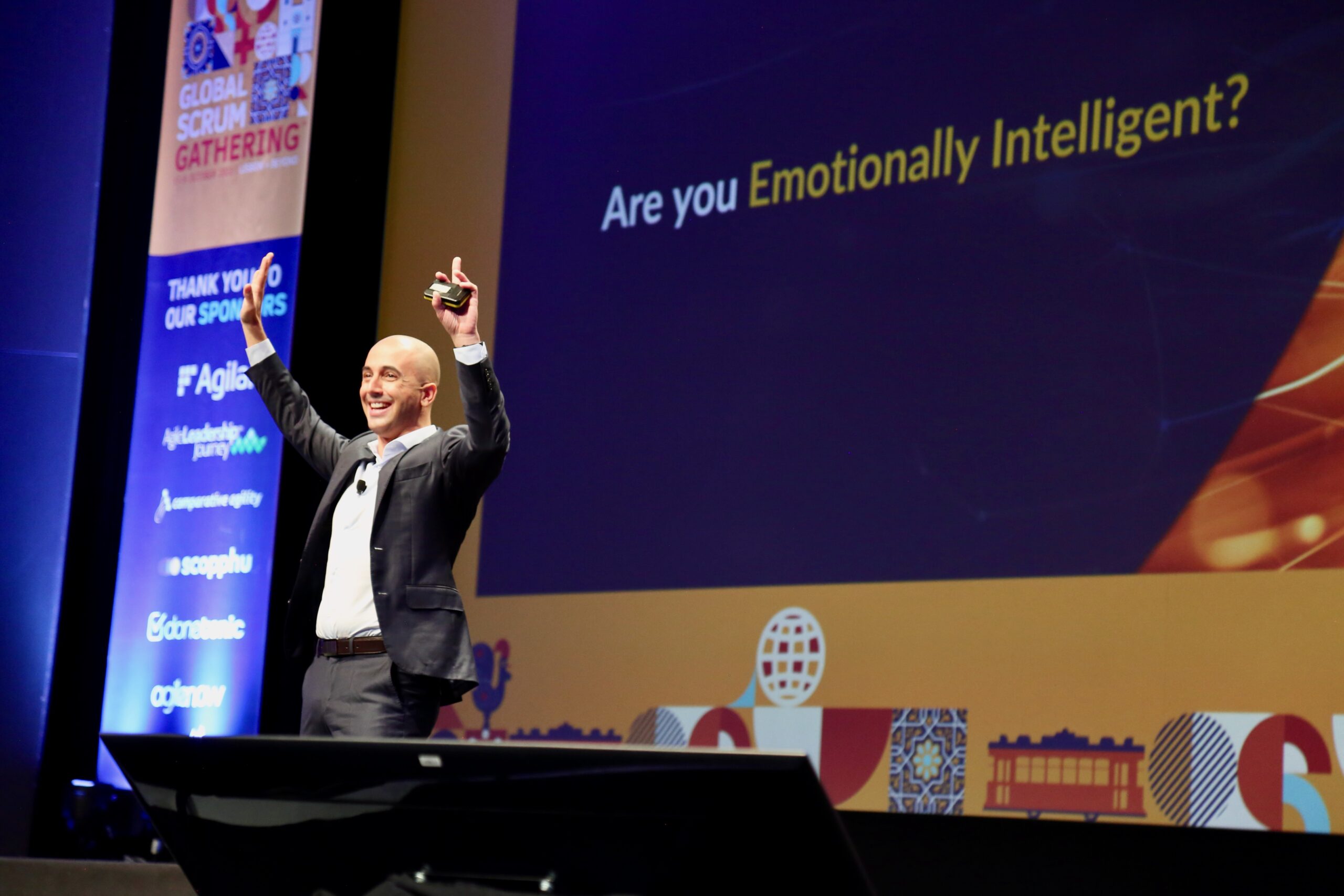
Employee engagement remains one of the biggest challenges organizations face globally. Leaders often invest in processes and technology but underestimate the human factor: the emotional needs of their teams.
Ricardo emphasized that consistent, intentional practices—such as regular one-on-one conversations—can transform workplace culture. When employees feel heard, appreciated, and safe, performance and productivity follow naturally.
Hybrid Work Success: Balancing Autonomy and Connection

In hybrid environments, the need for emotional intelligence multiplies. Face-to-face connection remains vital for trust and belonging, yet employees also value autonomy and flexibility.
Leaders must balance these dynamics by tailoring strategies to individuals. For example, one employee might feel valued through public recognition, while another prefers private feedback. Emotional intelligence enables leaders to navigate these nuances and create hybrid workplaces that foster both independence and connection.
Emotional Fitness: Training for Leadership Longevity
Ricardo introduced the idea of emotional fitness—treating emotional intelligence like a muscle that requires ongoing training. Just as physical fitness depends on sleep, rest, and regular practice, emotional fitness requires consistency.
A single workshop isn’t enough; leaders must embed daily habits of reflection, empathy, and emotional regulation. Over time, these practices strengthen resilience and prepare leaders to face challenges with clarity and compassion.
Empathy in AI: Why Simulated Empathy Matters in the Digital Age
As artificial intelligence accelerates, Ricardo drew an important distinction: AI cannot feel genuine empathy, but it can be programmed to simulate empathy. And that matters.
Just as children model behavior from their parents, AI will reflect the examples we set. If we embed empathy and human-centered values into technology, it can serve as a force for good. For leaders, this reinforces the urgency of modeling emotional intelligence in both human and digital interactions.
Leading with Purpose in a Human-Centered World
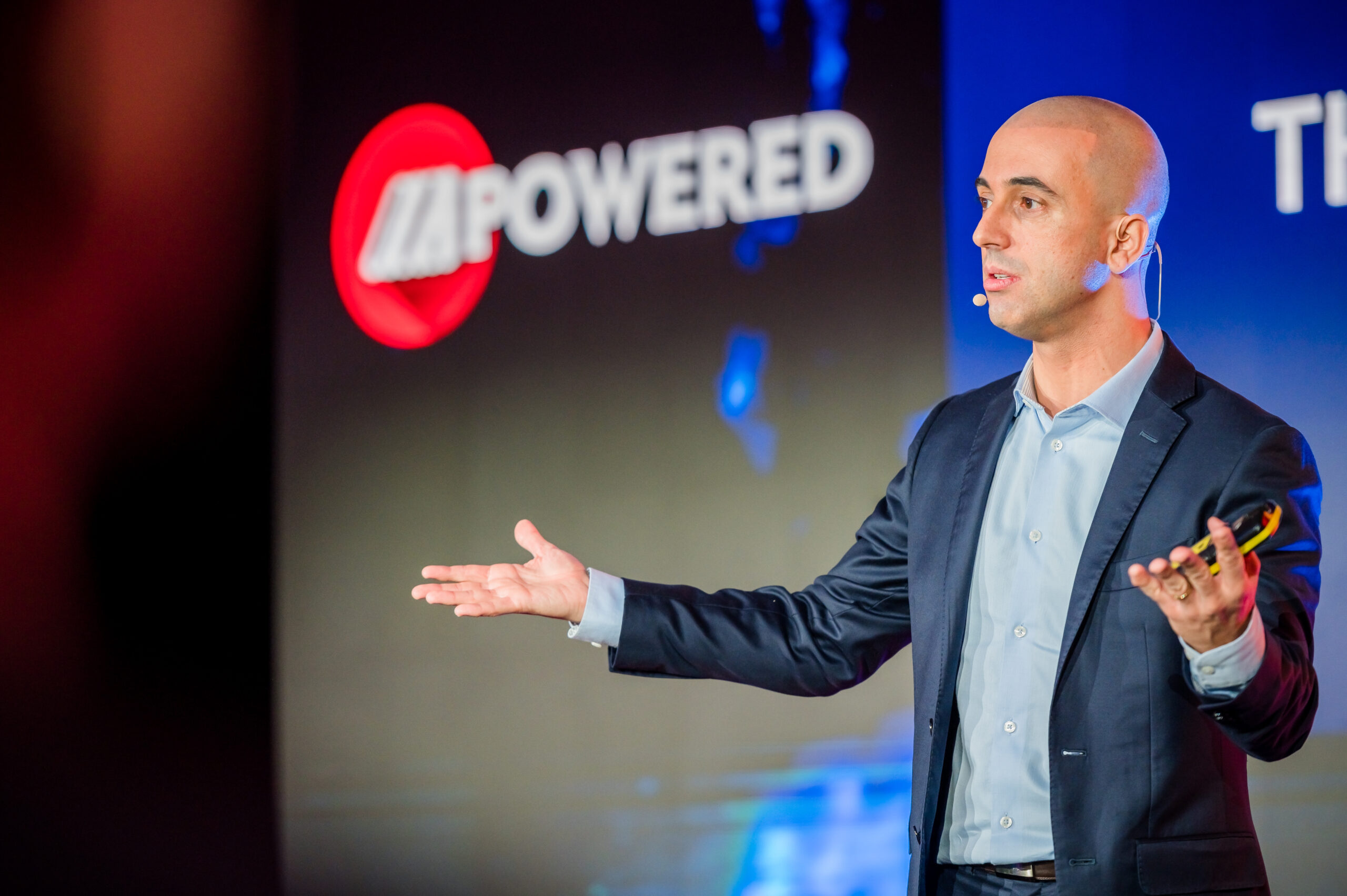
The conversation with Ricardo Cabete made one truth clear: emotional intelligence is not a soft skill—it’s a core leadership competency. By moving from command to connection, nurturing emotional fitness, and meeting fundamental human needs, leaders can create engaged, resilient, and purpose-driven teams.
At Takko Advisory, we believe that organizations thrive when leaders embrace the human side of business. Emotional intelligence is the path forward for individuals, teams, and society at large.
Stay connected with the ‘People & Purpose’ podcast for more thought-provoking stories that explore the intersection of leadership, values, and sustainable impact. Watch the full episode featuring Ricardo Cabete below: