
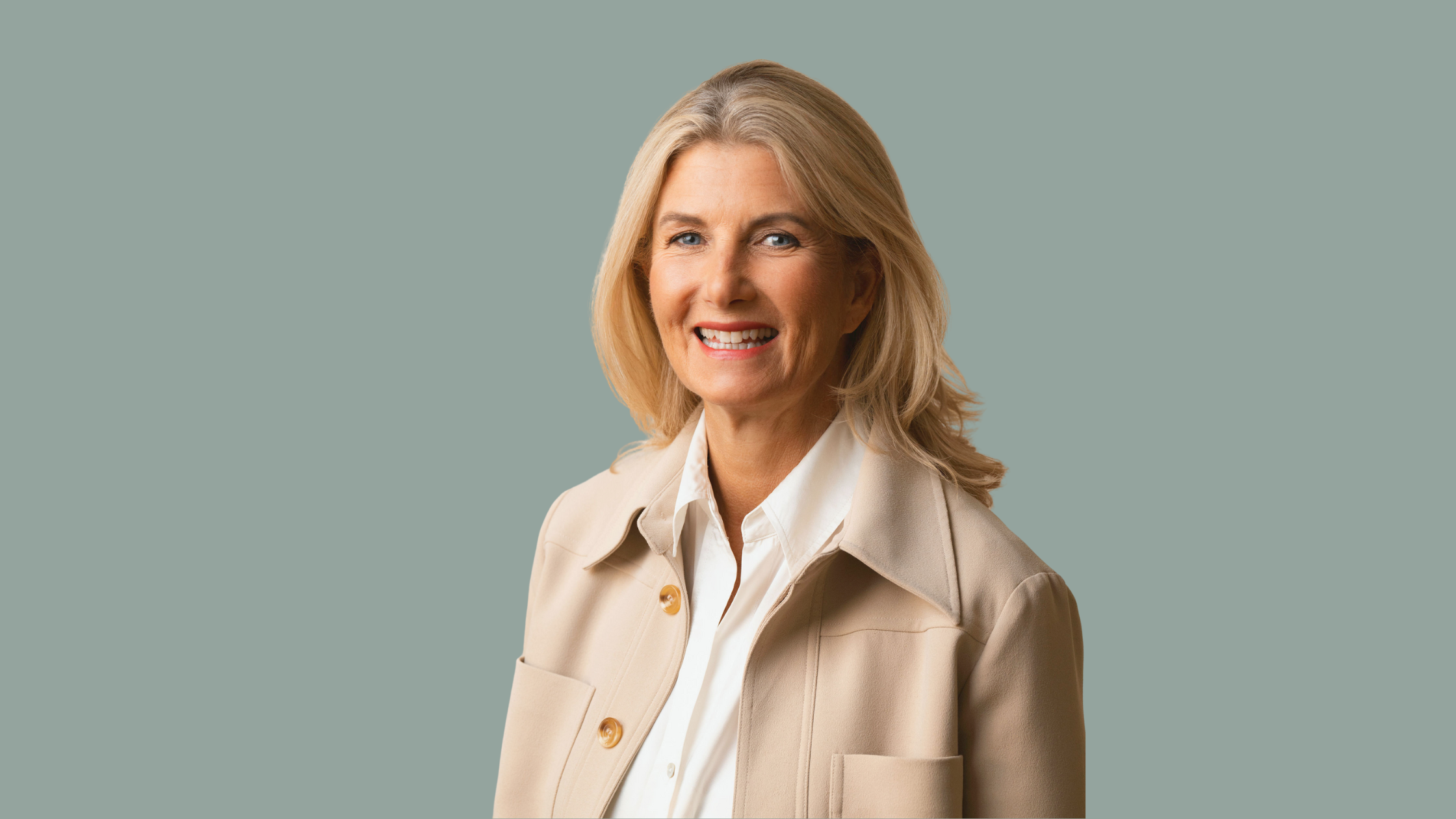
In November’s episode of the ‘People & Purpose’ podcast, Tarja Takko sat down with Annika Sten Pärson to explore the intersection of mental health, purposeful leadership, and the systemic shifts needed to build a hopeful and thriving society. Annika is a social entrepreneur, investor, board member, and mental health advocate with over 25 years of senior leadership experience across global industries. After a successful corporate career, she dedicated herself to addressing the global mental health crisis by co-founding The Inner Foundation and supporting a broad portfolio of mission-driven organisations while also serving as a volunteer therapist for emerging adults.
Her insights offer a roadmap for leaders and organisations navigating an increasingly complex world. Read the highlights and gems of the interview below and watch the replay.
Belonging as a lifelong driver
Annika’s sense of belonging (or sometimes the lack of it) has been a formative force throughout her life. She moved away from home early, spending a year in the US at 17. Independence came quickly, followed by shared apartments, university studies, and eventually a career that took her across industries and continents.
Being adopted is something Annika brings up during the interview, because she believes it matters deeply in understanding her motivations. Even though she grew up in a family that was never excluded by others, she carried an inner feeling of being “slightly outside”, of needing to work a little harder to feel part of something. Over time, that feeling became a powerful internal engine that pushed her to show up fully, to contribute wholeheartedly, and to pour energy into every environment she entered.
“I have always carried with me a feeling of being excluded… and I think for me that has also become a driver for change for myself,” she admits. In many ways, it shaped both her corporate path and her eventual transformation toward work rooted in mental health, belonging, and systemic change.
Staying with the problem
One of the most powerful themes Annika brings forward is the importance of resisting the urge to rush into solutions. Real change requires patience; the willingness to sit with complexity rather than mask it with quick activity. This mindset encourages leaders to shift from performative action to meaningful impact.
“I look at it as an opportunity to stay in the problem because I think we have a tendency of very quickly look for solutions and we have a tendency of measuring the activity of doing things versus what kind of problems are we solving,” Annika reflects.
Mindset and movement-building
Change rarely happens through isolated effort or grows through shared intention and collective mindset. Annika underscores that movements are not always visible from the inside; they emerge when people adopt shared values and are willing to collaborate beyond organisational boundaries. Then, collaboration becomes not just a tool, but a worldview.
“You don’t walk around thinking I’m part of a movement. You think it is very much a mindset and you want to take that on board. And also a mindset of thinking about collaboration first,” Annika observes.
Hope as a catalyst for change
Hope, for Annika, is not sentimental it is strategic. It is the psychological fuel that allows individuals and societies to flourish. She reminds us that hope is central to sustaining change, especially in areas as demanding as mental health and social transformation.
“The idea of we need to be hopeful because that’s what this whole thing is about to not just not being sick, but actually flourish. And we want that to happen and therefore we also have to be change makers of hope as a driver,” Annika emphasises.
Mental health at the core
A significant shift discussed in the episode is the reframing of mental health from a peripheral concern to a central pillar of societal well-being. Annika highlights that mental health influences and is influenced by systems, communities, and opportunities.
“Mental health goes from being on the sideline to something that is actually sort of very crucial and center for what needs to happen in order to improve so many other things,” Annika notes. Therefore, it is of importance to place mental health at the core in order to enable more holistic, sustainable change.
Building a future with intention
Annika’s reflections weave together a powerful message: meaningful change requires a mindset of collaboration, a commitment to staying with difficult problems, and a hopeful view of what’s possible. By centering mental health, fostering collective movements, and embracing personal growth, we can build societies where people can truly flourish.
Watch the full episode below to hear the complete discussion and all of Annika’s insights.